Intro:
You got talked into running a game yet you have no idea what a DM/GM does? I hope to explain the basics of how to run a game, no matter what system you’re running.
First a quick introduction. I am Hakuzo Sionnach and I’ve been immersed in rpg games since high-school, with over 20 years of experience. The campaign I am DMing currently, has been going nearly 5 years, and we are barely half way through.
Now, you’re probably wondering what DM or GM stands for. DM stands for Dungeon Master and GM is Game master. It doesn’t matter which you go by because both are the same. Different systems may have other names but these two are the most common.
The job of the DM:
In short, you are the god of the game. You decide what the outcomes are, based on how the players react. As the DM/GM, you also will decide on rule discrepancies that may happen during game play.
You will help players create characters based on the game system you will be running. Starting off, have players make small backstories and keep main details in mind, to incorporate into the story.
First steps:
If you have never seen what a TTRPG is, I’ll start you off by telling you what it stands for. TableTop Role Playing Game. You don’t need to be a voice actor to run the game, but having a basic handle on mathematics and logic goes a long way. I would recommend taking time to watch a few live plays from smaller groups. Don’t set your expectations as high as creators like Critical Role or Legends of Avantris. Start small.
I would recommend looking into different systems. 5E Dungeons and Dragons™ offers an easy process to onboard, but due to the current changes from official sources you may opt for pathfinder, BESM (Big Eyes, Small Mouth. It’s an anime based system that is easier to follow) or other systems. Look around, each system offers a different feel for different types of campaigns.
Before you go running off to world build, take time to learn the system you have chosen. Read over any main book provided for people running a game. Then, see if there are any prefabricated modules or one-shot campaigns available. You will get a feel for the system and learn how to deal with situations as they arise.
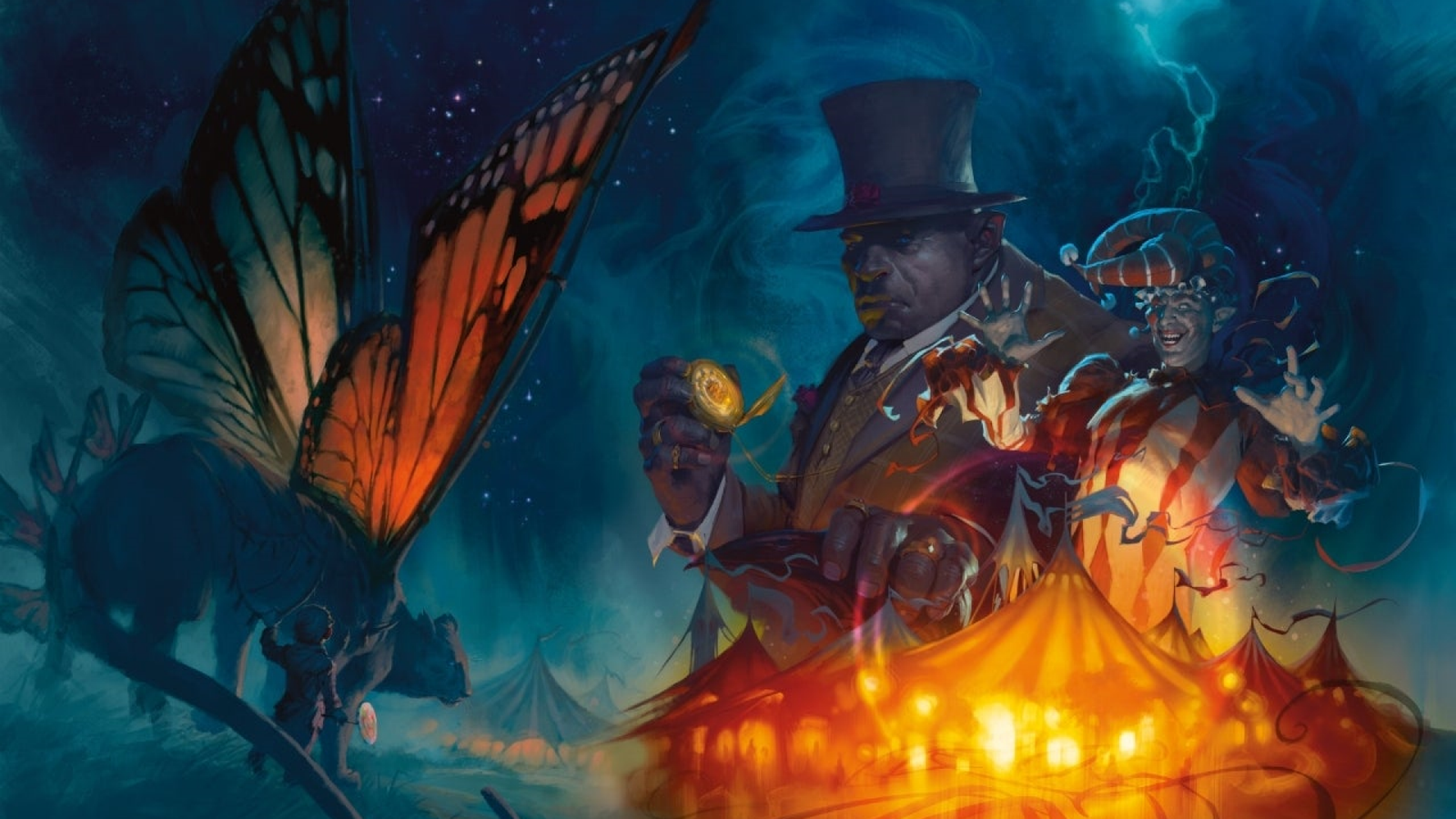
For 5E, I recommend ‘Wild Beyond the Witchlight’, as it provides nearly everything to run a campaign so you don’t have to come up with anything on your own. It is very newbie friendly and it gives you enough to get a feeling for being a DM. Oh, and if you play physically and not online, buy the appropriate dice.
Yeah… this hobby does take a lot of initial investment, but there are ways to start off without spending a lot. Look for any free quickstart guides, some systems will provide these free of charge online. Speaking of online, a lot of the information on various systems do exist and a quick search may show you resources for the system you choose. If anything, maybe you can borrow the books from someone you know.
For the more advanced DM:
Now that you have some basics and a feel for how your system works, what’s next? If you haven’t already done so, start with a basic story. You don’t need to be a legendary author but have a general idea of story structure. You will be telling a story, not just your own but those of the players. Yes, the best games are when all players and the DM work to shape a world.
Because of this dynamic, you don’t need to prepare everything for the campaign in one sitting. Not only will you experience burnout, but the possibility of the players going a different direction is very high. Plan only what you need, and a couple of “just in case” outcomes. Never have a singular point for a story, you must have at least 3 or 4 options ready.
Now, you can’t prepare for every outcome, so if something important changes, make notes on it. Adapting to your players may take time but as you get to know them, it gets easier. If you do need to prepare, do so a little every day. Waiting until the last minute to prepare for a game rarely turns out well. It diminishes the game unless you have very good improvation skills.
Once you have a basic story and how the world is set out, you can get with your players and do a session zero. This is the most important session of your campaign to iron out any issues before they take over a campaign.
To summarize:
Take things slow at first. Do smaller things and start building up your skills. Learn all you can about the system you choose because there can be a lot to learn, so pacing is important. Learn at your pace and work with your players. Always be ready to keep the game moving and if something doesn’t work out first, it’s OK to change things. If you do run into issues, there’s many places to ask questions online.
I hope to write more beginner-friendly articles going over D&D 5E or the few other systems I’ve played through. I kept this article general so these tips can be used in any system, nor is this an exhaustive list.

I’m a published author that has written various stories over the span of about 25 years. I’ve also been playing TTRPGs for just as long, if not longer. I am currently DMing a campaign thats been going for about 5 years and still going.