Hello There, Adventurers!
Like many of you, I’ve been following Wally DM for years—soaking up every devious trap and ingenious puzzle he’s shared. However, today I’m stepping out from behind the Apothecary counter to talk about a different kind of challenge: the dice. We all love a good trap, but the biggest ‘trap’ in any session is when a failed roll becomes a dead end. We’ve all seen it: the rogue fails to pick the lock, the DM says, ‘The door doesn’t budge,’ and the momentum hits a brick wall. The story halts, or we simply move to the next player to roll the exact same check.
These failed rolls shouldn’t be a stop sign; they should be a detour. Today, I want to talk about a concept that changed the way I run games at my table: Failing Forward.
The Idea of “Success at a Cost”
The concept of Failing Forward is a total game-changer. It treats a roll not as a binary ‘pass or fail’, but as a ‘Success with a Cost‘ or a ‘Complication‘. This approach replaces the ‘math test’ feel of D&D with collaborative storytelling. By doing so, you build resilience in kids and keep your adult players from hitting a wall. After all, inventing solutions to the problem is playing D&D. The story isn’t just about the success; it’s about the crazy series of setbacks that you overcame. Failing Forward changes the game and keeps the momentum going.
Here are 3 ways that I like to “Fail Forward” to keep the story moving:
1. The “Yes, But…” Tax (Success at a Cost)
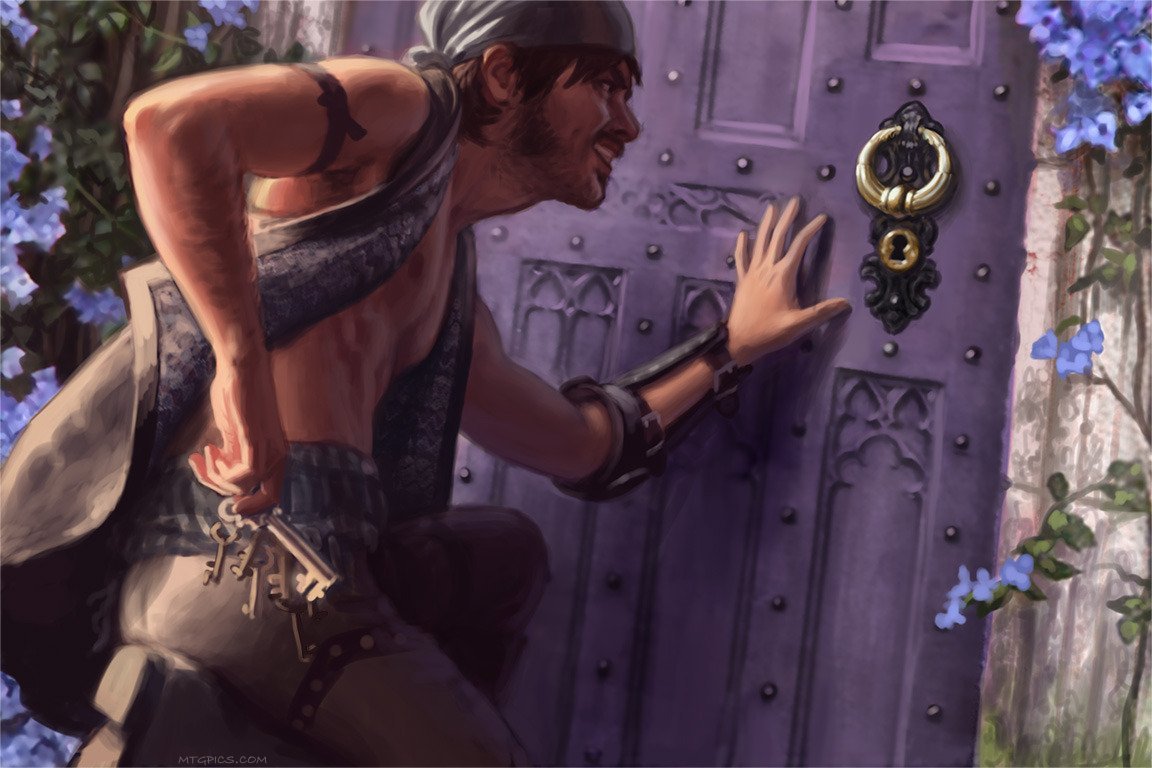
Instead of giving a flat “No,” offer a “Yes, but it hurts.” Imagine a rogue is trying to pick the lock on a dungeon cell. Rather than telling them the lock won’t budge, tell them “the door clicks open—but as you pull the door, the rusty hinge lets out a loud squeak that echoes down the hall. Immediately, you hear the heavy boots of a guard running your way. What do you do?” Now, the story shifts into a high-stakes chase scene. That’s momentum! You’ve rewarded the roll with progress, but added a new complication.
2. The Narrative Pivot
A failure doesn’t have to mean that “nothing happens.” It can be the perfect moment to reveal a new clue that keeps the players engaged. For example, if a player fails a ‘History’ check to remember an ancient Pharaoh’s name, don’t just say “you don’t know.” Instead, tell them that while they are racking their brain, they notice fresh footprints in the dust leading toward a secret alcove. Clearly, someone else was here recently, and they were in a hurry! This shifts the focus from academic lore to an active mystery and keeps them on their toes.
3. The “Oopsie-Daisy” Rule
I love DMing for beginners, but a Natural 1 can feel like a personal rejection to them. Use the ‘Oopsie-Daisy‘ rule to turn your players into celebrated blunderers rather than frustrated ‘losers’. Imagine a young adventurer trying to climb a tall tree. On a failure, don’t just tell them they fall. Instead, they might get stuck halfway up, wedged between two branches. Surprisingly, while hanging there, they spot a shiny glint in a bird’s nest—revealing a treasure hidden from the view at the top! This turns a bad roll into a “lucky blunder,” teaching them that mistakes are just a change in the plan- not the end of the world.
The Fail Forward Cheat Sheet
I’ve put together a quick table for behind your DM screen as inspiration to get you started. When the dice let the party down, use these pivots to keep the story moving. Simply choose the one that fits your world and explain it as part of the action!
| Category | Check Type | The “Fail Forward” Result |
| SOCIAL | Persuasion (Persuading a local merchant) | The merchant gives you the discount, but he recognizes you and says, “Next time, you owe me a very big favor.” |
| Deception (Getting past a guard) | Your lie works! The guard lets you pass, but he’s so impressed by your “official orders” that he insists on escorting you directly to the Captain to “help” you out. | |
| Intimidation | You successfully scare the informant into talking, but they are so terrified that they scream for the city watch as they run away, or they give you the info but omit one crucial, dangerous detail out of spite. | |
PHYSICAL | Athletics (Stuck Door) | The door crashes open, but your momentum knocks your torch into a puddle, leaving you in total darkness as a portcullis slams shut behind you sealing the exit. Or the door opens with a loud crash and the athlete tumbles in and falls prone in front of enemies. |
| Athletics (Chasm Jump) | You make the leap, but your gear snags on a jagged rock and now you’re hanging upside down over the edge. | |
| Sleight of Hand (Lockpicking) | The lock clicks open! But your tools snap inside with a loud “ping,” alerting a nearby sentry. Or you open the lock, but your lockpick is damaged, so future lock picking will be at disadvantage (until you can get it fixed/replaced). | |
| Stealth (Sneaking) | You stay quiet, but you drop a key or item behind you, or get distracted trying to lift a coin from a sleeping guard’s belt. | |
| MENTAL | Arcana (Potions) | You recognize it as a healing potion, but it’s expired. It heals you, but your skin turns blue for an hour and you have the hiccups. Or… You can’t identify the liquid, but you accidentally spill a drop on your leather boot—and the leather instantly turns into solid stone. It’s a Potion of Petrify, and now you have a very heavy left foot. |
| History (Knowledge) | You recall the fact, but it’s 50 years out of date. Alternatively, you recall the Pharaoh’s name, but realize the “secret entrance” he used was sealed shut by a collapse centuries ago. Now you need a new way in! | |
| Investigation (Deciphering a complex Egyptian hieroglyphic puzzle to disarm an ancient trap) | You brush a pressure plate; the door slides open, but the room begins filling with sand—the clock is ticking! | |
| COMBAT | Melee Attack (Swinging a sword in a crumbling ruin.) | You miss the enemy, but your heavy swing knocks over a cracked pillar, creating difficult terrain that blocks their path. |
| Ranged Attack (An expert archer takes a shot in a crowded market.) | A gust of wind catches the arrow. It misses the enemy but thuds into a fruit cart, causing a merchant to scream for city guards. | |
| Critical 1 Miss | You swung too hard and didn’t connect the way you thought you would, and now off balance and making yourself prone. Or, You miss the goblin, but your blade sparks against the stone wall, igniting a nearby tapestry. Now the room is filling with smoke! |
Click here to download the free PDF Cheat Sheet
In Conclusion:
Failing Forward turns the clink of a disappointing roll into the spark of a new story direction. It isn’t about letting players win everything—it’s about ensuring the action doesn’t stop. For beginners and veterans alike, it’s the difference between quitting in frustration and leaning forward in your seat with excitement. While it’s not for every check, it’s a great way to ensure your session has forward momentum.
What are some of your favorite “Fail Forward” moments? Have you ever had a “Natural 1” turn into your favorite part of the night? Let me know in the comments.
If you are looking for more opportunities to fail forward check out these Dice of Disappointment: Cursed Dice.
And as always… Onward!

Zara is a teacher, mother of humans, partner, and servant to one very lucky cat. As the creative force behind Thia’s Apothecary, she brings magic and immersion to the tabletop. With over 4 years as a DM, Zara has navigated the mists of Barovia and built homebrew worlds inspired by Ancient Egypt. When the dice are away, she “brews” artisanal soaps, plays ball hockey, or enjoys music and dance—always dreaming up new narrative detours for the next generation of heroes.
Connect with the Magic: Etsy | Instagram | Facebook
One response to “Failing Forward: The Secret to Better Pacing”
Great advice! I really like the ideas in the table. I think this makes things much more interactive and engaging.