It’s October again, and a lot of tables are going to be rolling up horror RPGs to celebrate Halloween. In honor of that, I want to start what I hope to make a regular series here at Wally DM, Toolboxes. The core idea of Toolbox articles is that there are fundamentally three things a GM can use to shape the genre of a game:
- Narrative: The story being told at the table, whether in a scene, single session, or full campaign arc.
- Mechanics: The gameplay system, whether that’s the core system, house rules, or added game elements.
- Atmosphere: The overall vibe of the game, including the descriptions and language being used, the setting and characters, and any non-mechanical items like artifacts and props used during the game.
I’ll look at these three elements in isolation, and how they combine in different ways to create a great horror game. I’ll also discuss how they can combine, narrative with atmosphere, narrative with mechanics, atmosphere with mechanics, and all three together. I’ll also bring in examples from D&D and other TTRPGs to illustrate what I mean.
Let’s get spooky.
Narrative:
Horror games are scary in general because of the stories they tell. This is a genre with some very specific story beats and tropes. I highly recommend you look into horror beat sheets like Scare the Cat for some ideas of how the story should progress.
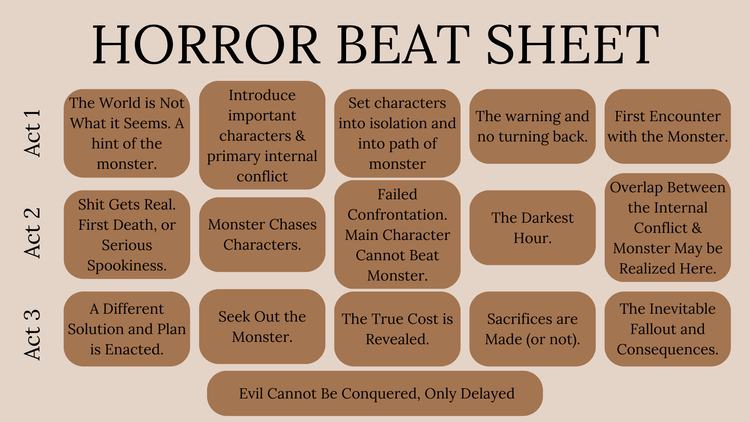
This is especially important if you’re trying to build your own story instead of relying on a premade scenario. This post does a good job of lumping the beats into three acts with overarching ideas.
- Establish the Uncanny: Establish the world, which is distorted and unsettling and provide some initial glimpses of the danger, ending with the first real contact or confrontation.
- The Turn: The danger keeps getting closer and more menacing, people usually die, usually there’s a hint of success, but this ends with a desperate situation.
- The Prestige: The characters find a way out, due to sacrifice, new strategies, and fighting back. The danger may be defeated, or the characters may fall to it. Even if they survive, the characters know the danger isn’t totally over.
The ending is a key beat to consider. Unlike most TTRPGs, horror games work very well if the table starts out with a clear notion of what kind of ending they can expect. Should they expect a fair fight against the darkness with a chance to emerge victorious? Are they engaged in a desperate fight with little chance of success? Are they going to die, with the only question being when and how? Being doomed isn’t a spoiler, it’s a threat, and that threat can set the tone for the game, especially for tables used to heroic fantasy or other game styles where the characters are comparatively safe.
This is Not a Place of Honor does a great job of building a horror story using beats. The characters (and their world) are doomed, and the setup of the game makes that very clear. Each step in the story moves them closer to that destruction, keeping the story on a tight framework, while allowing the game to happen organically.
Death House is a notoriously deadly D&D module that tells a great horror story as well. The claustrophobia combined with the way the story progresses, giving horrifying reveals and hints before a disastrous ending has earned it a reputation for being a solid horror game, to where it got a revisit as part of Vecna, Eve of Ruin.
Mechanics:
Making mechanics scary feels like an odd idea, but they can absolutely reinforce the feelings of dread and horror in a game.
One way this can work is through tools that make the game deadlier, or make death and injury more palpable especially in a more heroic game like D&D. Tools like gritty realism and lasting injury make combat less safe, and tools like horror, mental stress, and sanity add other ways to watch the horror take its toll on the players.
Any change that “breaks the rules” unexpectedly has an added benefit in the form of making the situation unpredictable and unsettling. Shadows in D&D do this well by dealing strength damage, something that can come as a scary surprise for players making the encounter feel much scarier.
Another set of options add a visceral element for the players. Countdowns, especially using hourglasses or ticking clocks add tension to a game. Randomization methods that step away from dice can make the game feel more tense or more real. I’m a big fan of including Tarokka decks as part of horror games in D&D and I created a whole guide on the topic.
Call of Cthulhu and Delta Green are well known for their inclusion of sanity scores and fear effects as mechanics in the game. These reinforce the cosmic horror vibe of the game and give the players a way to track the impact of the fear on their characters.
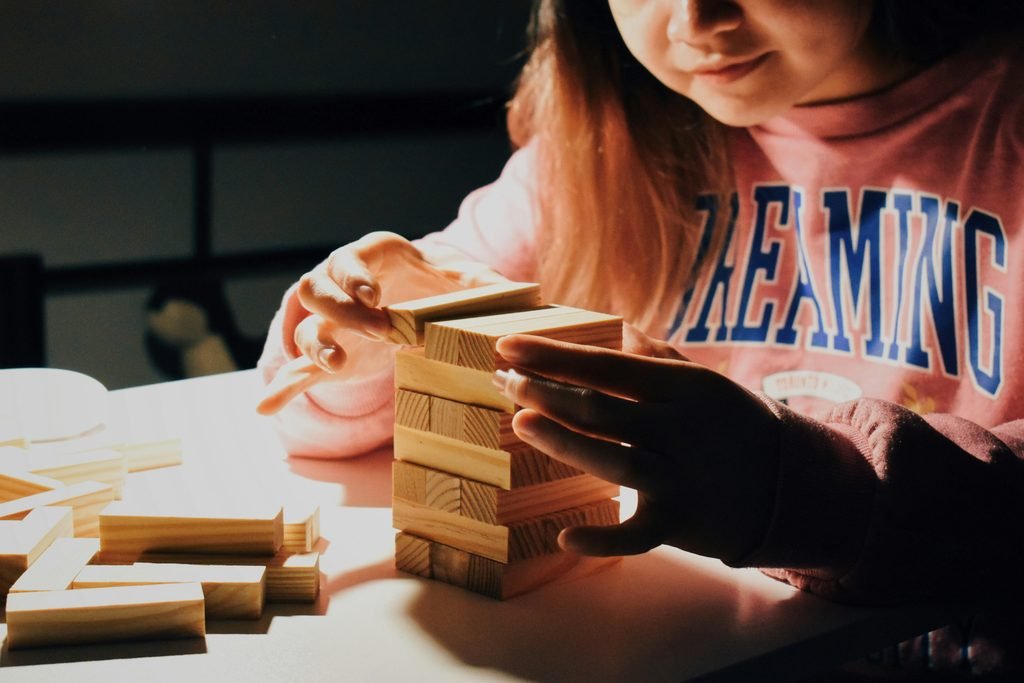
Dread is a prime example of making horror hit home using mechanics. Instead of using dice, you essentially play a game of Jenga. If the tower stays standing, you succeed. If it falls, you die. The combination of an anxious real world scenario, high in-game stakes, and something that stretches for much longer than a die roll works well for a horror game.
Atmosphere:
This is where horror usually lives. The story of a gruesome murder is tragic when told in the light of day, and horrifying told around a campfire. There are two ways of coloring the atmosphere in a game with horror, in game and out of game.
In-game atmosphere depends on setting, descriptive language and the overall vibe of the game. I previously wrote here on the subject of language and horror. Out-of-game atmosphere depends on where you are playing, how the room is set up, and things like artifacts (maps, minis, handouts) or soundtracks.
Both of these are hugely useful tools that can be calibrated to make a game feel scary, spooky, spoopy or anywhere in between. Nightmare Before Christmas, It’s The Great Pumpkin, Charlie Brown, and Halloween all draw on interconnected imagery to set their respective tone in impactful ways.
Icewind Dale: Rime of the Frostmaiden has beats that look mostly like a typical D&D campaign. But the atmosphere of isolation, darkness, and extreme cold provide an atmosphere that is ripe for horror. Add this to a number of horror adjacent moments, such as the crashed nautiloid and the possibility of a character with a slaad tadpole in their chest.
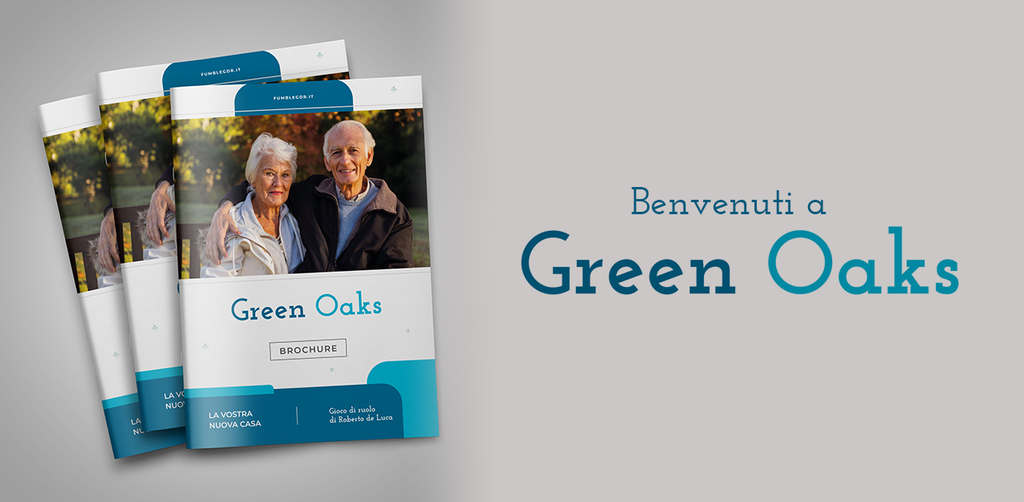
Green Oaks is a game that uses both in-game and out-of-game atmosphere to tremendous effect. It’s set in a nursing home where weird and terrifying things are happening to the residents. This atmosphere can quickly become unsettling where themes such as loss of agency and dementia get mixed with supernatural danger. The game is designed to look like a nursing home brochure and uses bridge as its core mechanic.
Mixing Tools:
These tools don’t all work in isolation, they almost always combine to set the tone of a game.
In terms of crossing narrative and atmosphere, it’s important consider the exact horror genre or genres you’re working from. Though most horror stories follow the same beats and trope, details and style matter a lot. Ravenloft: Horrors Within does a great job of breaking down the main genres, like folk horror, body horror, and gothic horror, but you can also check out TV Tropes or similar websites to go beyond those listed there.
Ten Candles is an amazing example of mixing mechanics and atmosphere together to create a horror experience. The game is set in a world that has turned dark with deadly monsters lurking outside the light. It’s played by the light of ten candles (hence the name). As the game progresses, you use the candles to (safely) burn elements of your character and eventually blow them out until you end the game in darkness, listening to the last words of the characters.
Another game that mixes atmosphere and mechanics is Strahd Must Die Tonight a version of Curse of Strahd that essentially runs the game as a one shot, played in 4 hours, instead of an extensive campaign meant to span months. Strahd appears with an hourglass (which should be plunked onto the table during the game) and taunts the characters to destroy him before the night is up.
Closing the Toolbox:
I hope these help you to get some ideas about how to shape a spooky adventure for your players this Halloween. If there’s anything I missed, please drop a comment below, and if any of them prove particularly useful, also drop a comment below.
Until next time, stay spooky!
My name is Joe Gaylord and, as Lazarus Game Lab, I make bestselling TTRPG content by nerds, for nerds. My adventures and supplements let you play games that are a little cleverer, a little more interesting, and a little different, the kinds of things you want to have for your table.
Check out my work on: https://lablazarus.carrd.co/