If you’re reading this, hopefully you read my previous article, if not, go back and read it:
Session 101, Getting Started in RPGs (Part 1)
In short, I assume you are an established RPG player if you’re reading this, but you’ve probably had experiences trying to bring in a new player who says they “just don’t get it” or keeps asking “what do I do?” This is for them.
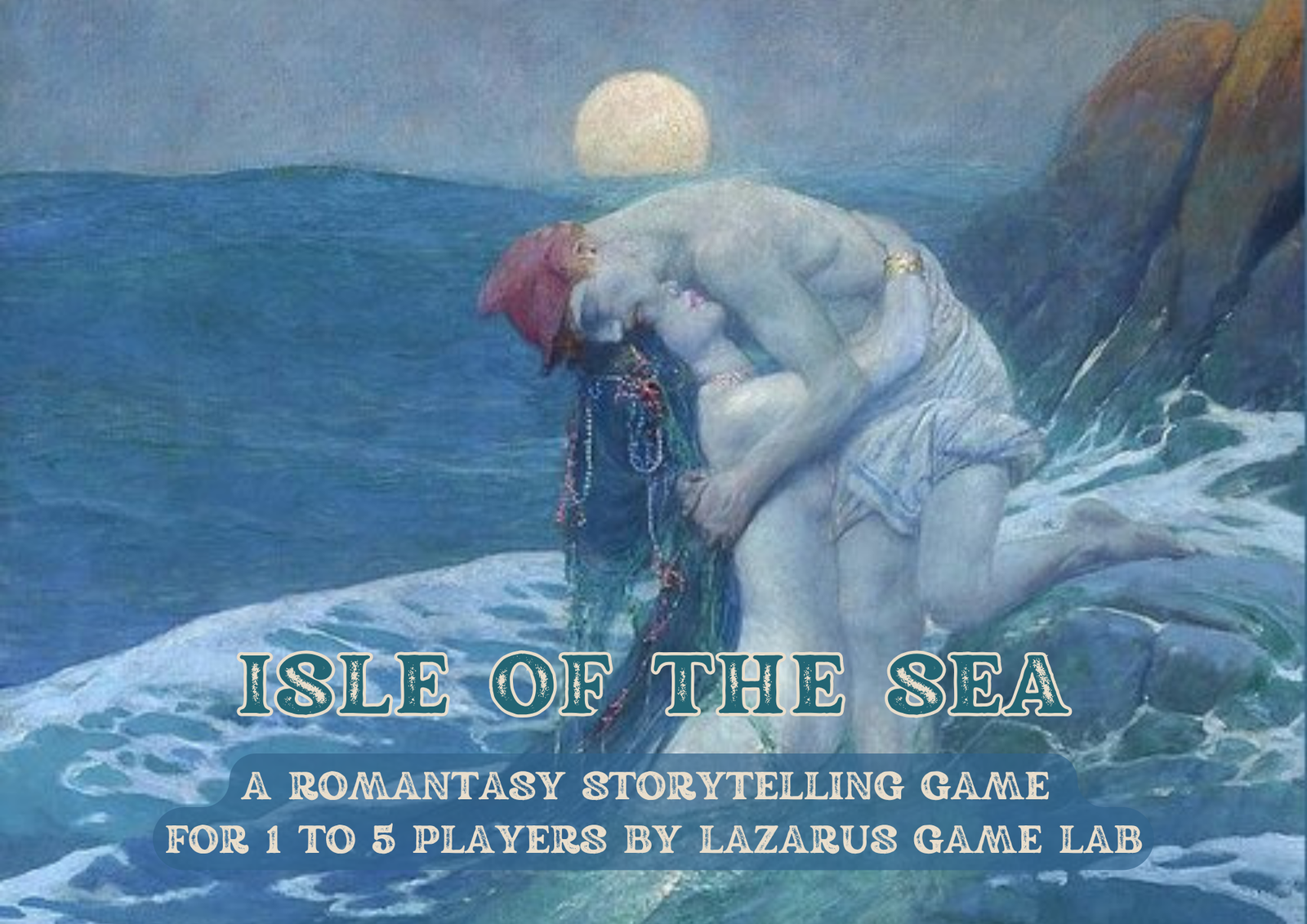
The article started because I tried to play Isle of the Sea, a nautical romance based RPG I wrote as a date with my wife, and it went horribly wrong.
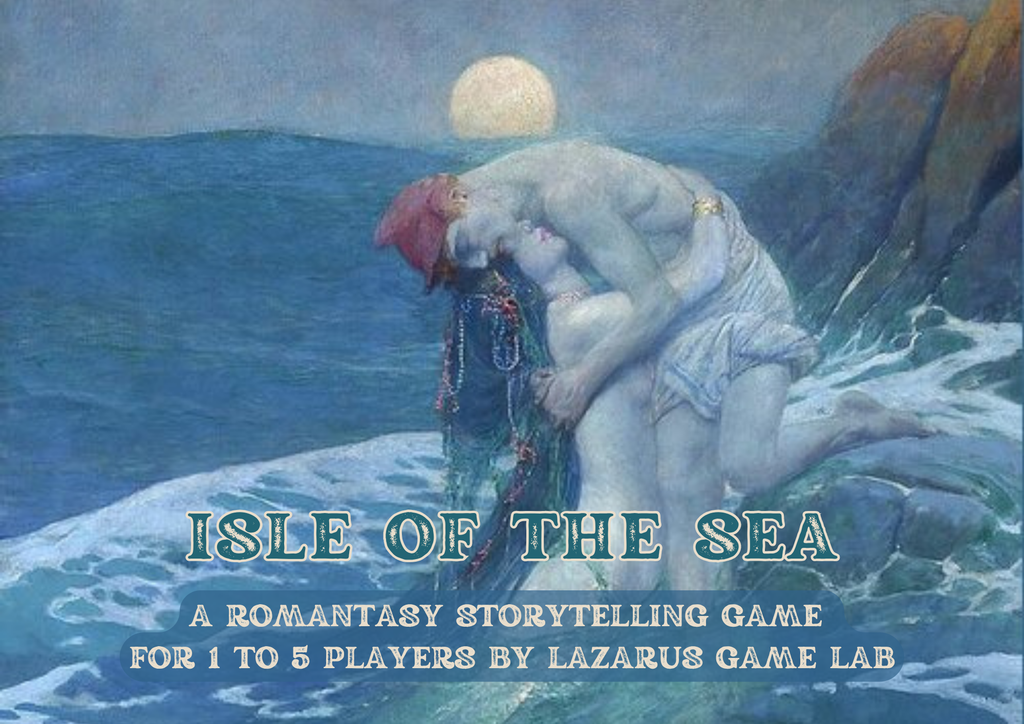
She had her character ignore mine and then said her character wanted to go take a nap. When I said it seemed like she wasn’t interested in playing, she ran out and said “I don’t understand these games. I want to play them, but I can’t think like that! I don’t know how to.” She said she felt overwhelmed and frustrated by the game and she panicked.
So, this articles is for her. If you are a veteran player, trying to help a new player get into the game, there are some pieces of advice for you as well.
Note: As stated before, these articles are not about rules, mechanics, or dice. They’re meant to system agnostic advice on storytelling and role playing, not cover the game aspects. Every game will need its own mechanical intro, so I’ll leave that for another space.
The first article focused on the mindset of playing RPGs including the advice:
- Buy-In: Understand the core idea and themes of the game, and lean into them. Make your character and choices fit the game.
- Nobody Wins: There is no way to “win” an RPG, the idea is to create a shared experience. Don’t try to compete with other players, you’re on the same team.
- Don’t Sweat the Small Stuff: An RPG is, at its heart a game. It can be dramatic and epic, but don’t take it so seriously, let yourself relax and enjoy the game.
This article focuses more on the action at the table itself, how to build a character, play the game well, and come up with ideas.
Make Strong Choices
RPGs are essentially games about making decisions. One of my preferred descriptions of how to play an RPG is describe, decide, dice:
- Describe: The GM lays out a scene, says what an NPC does, or describes something that happens.
- Decide: The player makes a choice on what to do or say based on the GM’s description.
- Dice: If needed, roll or use another randomization system to determine the outcome of the player actions, which is then described by the GM, starting the cycle over.
This places that decisions right at the center of the play cycle. You choose who you are playing as, what they do, say, and more. So, make those decisions as strong as you can. Do something bold and proactive, not something boring or passive. Even if it’s ultimately a bad choice, it doesn’t matter, there’s no cost. You’re playing a game. More than that, mistakes make a good story. It’s better to have done an interesting and exciting thing which went badly than do nothing.
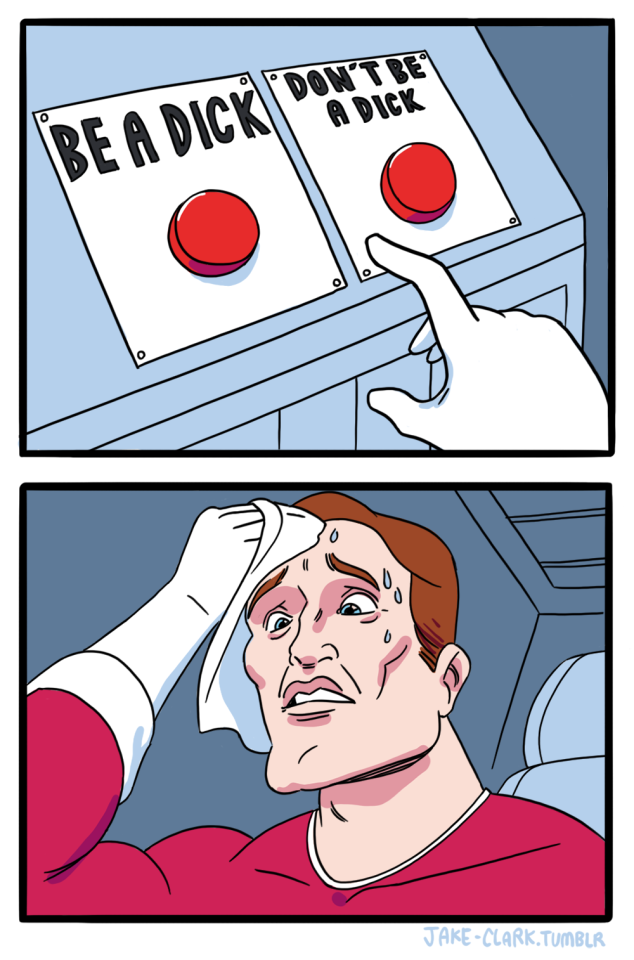
This was at the core of my wife’s issue. She got paralyzed by choices and decided to go take a nap. That’s a very passive choice which took the wind out of the game’s sails.
Play a Person With a Plan
In an RPG, you’re playing as a person (or a person-like entity). Part of the point is that you’re exploring them, their actions, their struggles, and their feelings. This can be silly, epic, or melodramatic, but it only works because you start with an understanding of your character as a person.
To make the most of that, imagine your character as a complete person. Think of their motivations and feelings. Think of their goals and fears. Most importantly, give them something to do.
Come up with a couple of proactive objectives that will drive your actions and story, at least one long term ambition and one short term activity that explains where they are at the start of the game. Not everything you do has to be strictly aligned to this, but it helps you come up with those strong decisions I mentioned above on the spot.
Make sure to talk about your character with the GM before you start, this both helps make sure it fits with the style of play, and gives them a chance to help you shape ideas.

In my wife’s case, I asked what her character was doing at the start of the game, and she said her mermaid was handing out bracelets. That’s a great starting place, but it doesn’t speak to a long term goal. I should have worked on this hand in hand with my wife before starting to build something more proactive and compelling which would have supported strong choices at the table.
Steal Widely and Well
New players often feel shocked and overwhelmed when they join a game, watching others just come up with creative ideas and whole stories on the fly. As a player, don’t feel overwhelmed by the need to create. Steal instead.
Almost nothing you do in an RPG is truly original. Most characters, scenes, and settings, are piles of references and recycled bits of media. We’re not bees creating hives with nothing but that which we generate internally. We’re magpies, collecting shiny objects to bring back and build our nests.
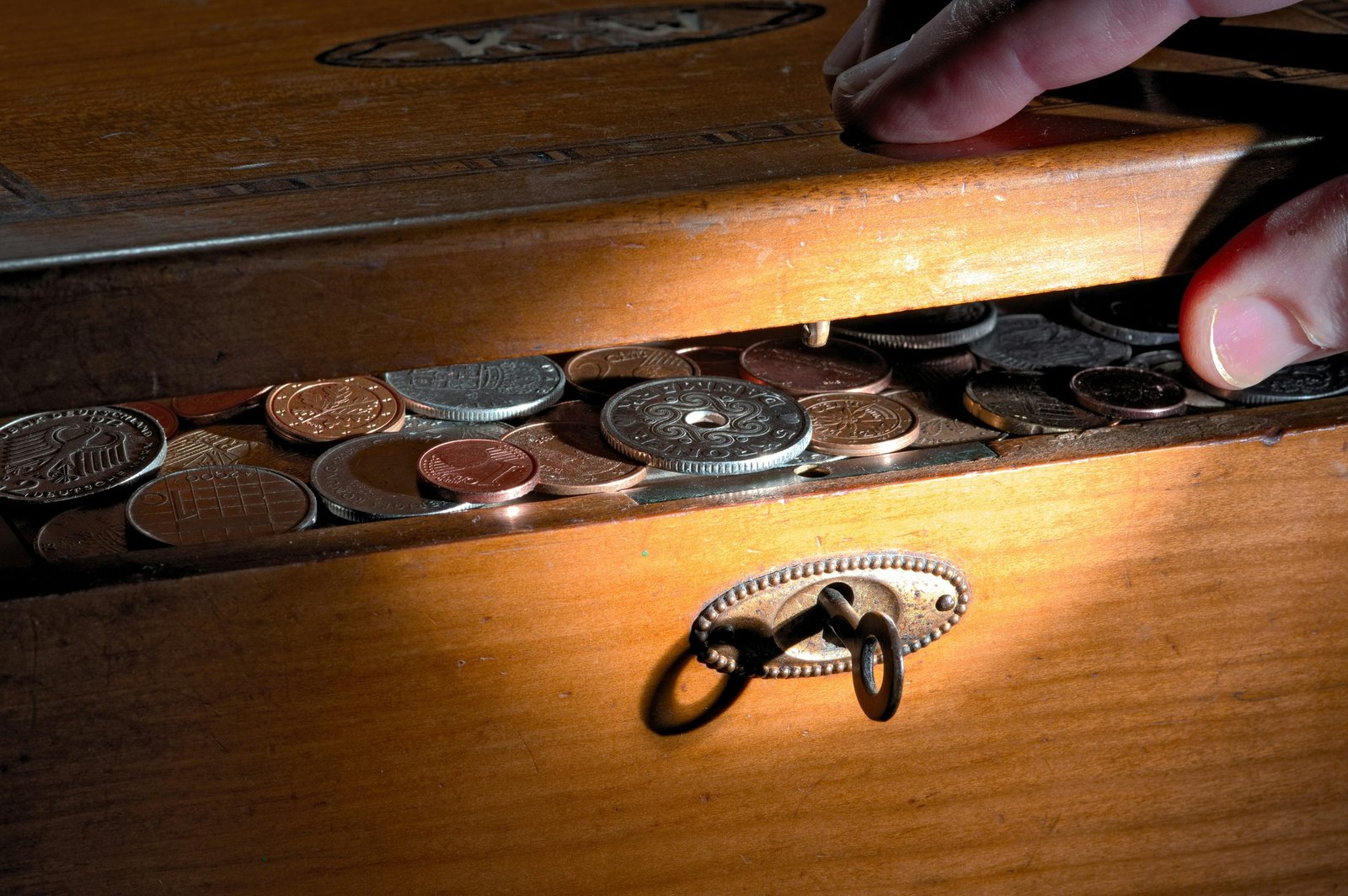
Don’t be afraid or embarrassed to create a character or make a comment that’s an obvious reference. One of the biggest adventures in D&D, Curse of Strahd, is basically just Dracula. Even D&D itself is basically just Tolkien fan fiction. In this respect, one of the best things to do is read and watch and play widely, looking for cool things you want to use later. Stand on the shoulders of giants, it’s ok.
Creativity is like a muscle, the more you exercise it, the stronger it gets. More than just supporting your ideas, this kind of stealing and copying is like a warmup or stretching practice, you’re getting yourself used to creating characters and making in game decisions in a way that doesn’t tire you out.
My wife felt intimidated by needing to create everything from nothing. She saw what I was doing as super creative, and her ideas as repetitious and boring. If she’d let herself steal a little more widely, it may have helped her get started.
Yes, And (or at least No, But)
As you play, when a player or the GM says something, do your best to embrace that. This is the central rule of improvisational theater: “yes, and”. “Yes” means that what a player, especially the GM, says should be taken as “real” within the context of the game. “And” means that you should take that and do something more with it, take that energy and move it along to the next logical part of the idea. This speaks to making strong choices. Strong choices help the other players to “yes” and giving a solid “and” to someone helps make choices stronger and more interesting, and make the game more interesting.
If you run into something you can’t “yes, and” you should at least “no, but”. “No” means that you can’t agree to the idea as presented, it doesn’t work, it’s not right for your character, or whatever else. “But” means presenting an alternative, something that comes as close to the original idea while being within what you can accept.
No, the king won’t just hand you his kingdom because you asked for it.
But, you rolled well, and he thinks your ambition is charming. He wants you to speak with his advisors, not his jailor, you’re welcome.
With my wife, I made a couple of strong offers to move the story forward. When she wanted to sit and hand out bracelets, I had my grumpy wizard walk by her in hopes she would give me one, a good meet cute for a romance. She said she didn’t like my attitude. I had him get brought back to her by an NPC, and tried to start a discussion, which she ignored. The game fell apart because she didn’t want to “yes, and” my suggestions, and because I hadn’t laid out that notion before the game.
For the Veterans, Session Zero
I said I would focus mainly on new player advice, but almost every piece of advice in these two columns has circled back to this idea.
As a veteran player, you are used to jumping into a game. Session zero discussions are important, but you can probably play a quick game or one shot with minimal preparation and certain things can be taken for granted.
Do not assume a new player is ready for that. I know it’s boring and feels like homework, but take the time to talk over the basic premise, mechanics, and things like strong choices, “yes, and” and player buy-in before you get started. It’s obvious to you because you’ve done this, it’s not obvious to them.
As a new player, ask for a session zero (a discussion before the game starts when you talk about the game, its themes, and mechanics). Genuinely listen and absorb what you talk about during a session zero and don’t be afraid to ask questions. It is the best tool to ensure you will have a good game.
Session zero is the best tool to ensure you will have a good game.
Now Get Out There and Play
To wrap up, between the two articles here are the key ideas I covered:
- Buy In
- Nobody Wins
- Don’t Sweat the Small Stuff
Part Two:
- Make Strong Choices
- Play a Person with a Plan
- Steal Widely and Well
- Yes, and (Or at least no, but)
- Session Zero
This won’t guarantee you’ll have a perfect game. Lots of things can go wrong (or right) throughout your experience. However, I think following this advice will improve your chances of having a great game and making this hobby part of your life.
So, with that, I wish you happy gaming, whether it’s your first game, or your thousand-and-first.
My name is Joe Gaylord and, as Lazarus Game Lab, I make bestselling TTRPG content by nerds, for nerds. My adventures and supplements let you play games that are a little cleverer, a little more interesting, and a little different, the kinds of things you want to have for your table.
Check out my work on: https://lablazarus.carrd.co/