When I was studying martial arts, there was a saying around our studio “You learn a technique in 4 ways, you are taught it, you do it, you teach it, and you have it done to you.”
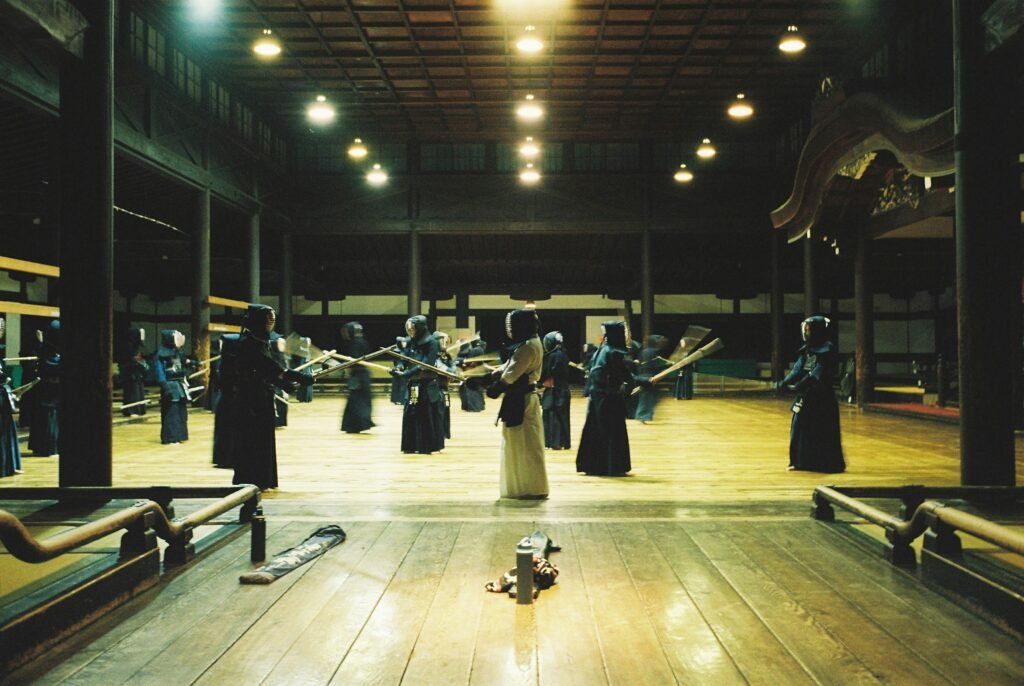
A similar idea goes for RPGs. You learn to play a game in many ways, you can read it, watch it, play it, run it, or write it. Here are some of the key benefits each of those ways of playing the game will give you.
Read it.
In computer science, there is a popular acronym “RTFM” which means “read the manual, please.” This is the same in an RPG. Part of a basic social contract as a player or DM is fundamental understanding of the rules.
All of this makes everything in the game move more smoothly. Rowan Rook and Deckard frame the narrative vs rules as the game’s Fiction vs Friction. The “friction” should ideally stay out of the way of (or better, support) the story you’re telling together. Every time you need to look something up, or don’t know where to find an answer, it takes people out of the story.
This isn’t to say you need to have everything memorized, especially as a DM, there will be moments that surprise you. However, if you know something will happen in the game, have that bookmarked. You should know some basics for improvising (or have them on a DM screen), and you should know where to find less common things.
For example: If you plan a fight by a campfire, have the rules for fire damage handy. If a player hits an enemy with a torch, you should be ready to improv that damage. If the party drops a flaming piano on an enemy, you can be forgiven for needing to look that up, but you should know where to find it.
Watch it.
There has been an explosion of actual play content in recent years. From huge media empires to scrappy playthroughs of cult classic indie games, it’s never been easier to see experienced players in action running RPGs.
Watching people who are very good, or at least entertaining, play the game is a great way to pick up some inspiration and ideas. You shouldn’t copy what you see precisely or expect to be Aabriya Ayengar, but you can pick up so much from them. Watch how they use accents and embody characters. Look at how they balance character development, narrative, and ensemble play. Just enjoy watching them play, it’s all good, and the information you will absorb will help you so much on both sides of the screen.
This also includes other content beyond actual play. Watch and read the abundance of how-to guides and commentary out there in the world. Maybe start with Wally DM (wink wink nudge nudge).
Play it.
Sometimes, the best way to get better at something is just to do it. For RPGs, just keep playing. Play a lot, play different games, different genres. Play published adventures, play home brew. Play things that push at the edges of your comfort zone and see how it goes. To some extent, this applies even to adjacent videogames like Baldur’s Gate or Final Fantasy.
It’s not just the act of playing, but it’s thinking about playing afterward. Find a couple things you liked or didn’t like in the game you played, and hold on to them. Even borrow whole concepts from the game (minus the serial numbers) and add them to your own.
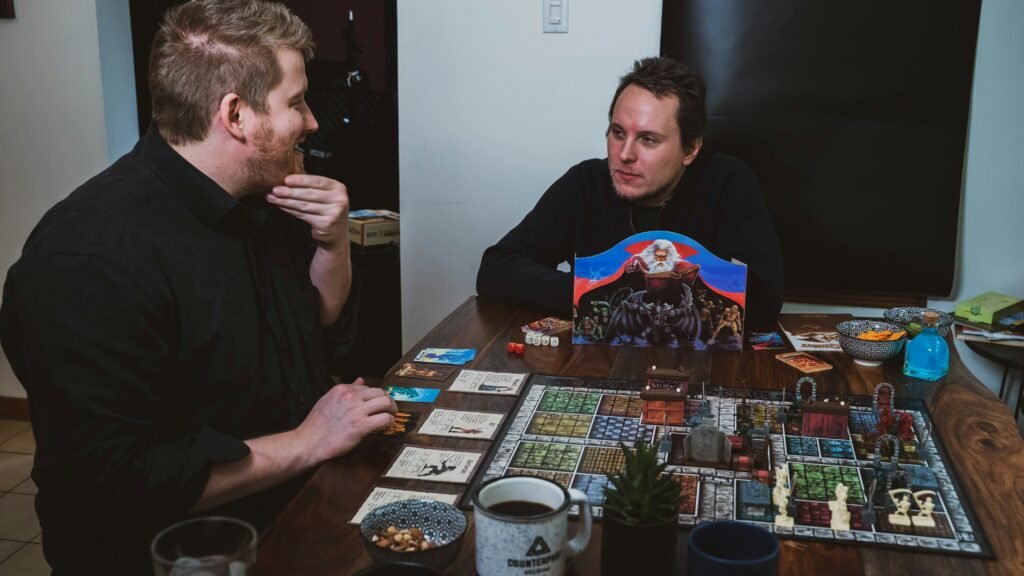
In particular, as a DM, playing on the other side of the screen is a great way of getting better. It’s easy to put together puzzles, stories, and settings that sound good to you as a DM. However, they sometimes turn out to be frustrating, boring, or impossible for the players. Having more experience playing can help you see the stories you tell from the viewpoint of those experiencing them.
Run it.
Conversely, running an RPG as a DM or GM is also a great tool for getting better at the game. The same advice goes here, play often, try different genres, run your own adventures and published ones, push your comfort zone, and take notes after.
For DMs, this is just getting in reps, practicing your craft and getting comfortable in the role. You’re learning rulesets and holding on to tricks and ideas that can be useful later on.
As with playing, experience on the other side of the screen is a big benefit here. Player choices have a tremendous impact on both the story and the experience of play. Watching that from the perspective of the DM gives you a lot of insight regarding what choices are clever and compelling versus distracting and annoying. Those insights are hugely valuable when building a character and making them a funny goofball rather than an obnoxious clown.
Write it.
The last key way to learn about RPGs is to write content for them. Whether you’re creating modules and adventures, building settings and mechanics, or designing a whole system from the ground up, this is a great way to deepen your RPG skill set.

When you write content for someone else to use, you recognize how important specifics are, especially for a tight system like D&D where wording needs to be precise. Just running a home game, you can say:
If the players attack the witch, she curses the party before fleeing.
And that works well enough. However, you could not publish an adventure with that in it. It would need to be more along the lines of:
Reaction: Parting Curse. Trigger A creature within 5 feet of the witch makes an attack against her. Response- The Witch casts Bestow Curse using a spell slot. If the creature fails the saving throw, The Witch can move up to her speed without triggering attacks of opportunity.
That tighter wording is a huge benefit, even if you’re not planning to publish, because it makes you think about the game in terms of specific mechanics. That avoids ambiguous situations and reduces your use of DM fiat, keeping the game running smoothly and feeling fair.
End it.
Especially if you’re a forever DM, or someone who only ever plays the game, or who doesn’t have an interest in watching actual play or writing content, I hope these provide suggestions for broadening your RPG experience. There are so many ways to enjoy this hobby and every one of them has important lessons to teach and tools to add to your toolbox. I hope you can use some of these at your table, and if have anything to add, please comment down below.
My name is Joe Gaylord and, as Lazarus Game Lab, I make bestselling TTRPG content by nerds, for nerds. My adventures and supplements let you play games that are a little cleverer, a little more interesting, and a little different, the kinds of things you want to have for your table.
Check out my work on: https://lablazarus.carrd.co/


2 responses to “Learn it, do it, teach it, have it done to you”
For my own notes, I write very simplistic directions with dice rolls. It takes less time to do what is needed. I find the D&D technical stuff makes things muddy sometimes.
Some solid advice in this one, Joe. And thank you for the embedded video… that was cool to see!
Having now done everything on your list, I can attest to how each one satisfies the RPG hunger, but in different ways. And of course, all of them bring forth their own lessons and rewards.
For me, the most influential was watching how D&D was played, with my favorite being Chris Perkins. If it wasn’t for watching his actual plays, I would not be where I am today. Lots of great live plays out there today… and I still listen to many of them, and always learn something new.
Great article. Cheers!