I am a huge advocate for “Immersive Actions” in D&D and other TTRPGs, they improve your game’s atmosphere, give you chances to role play and hand your DM great bits of imagery to work with. To get a handle on what I mean by Immersive Actions, let’s join a playgroup on a typical Thursday night.
DM
“You’ve cleared the bugbears in the hallway and you see an open doorway leading into a 15 by 15 room on the left. What do you want to do?”
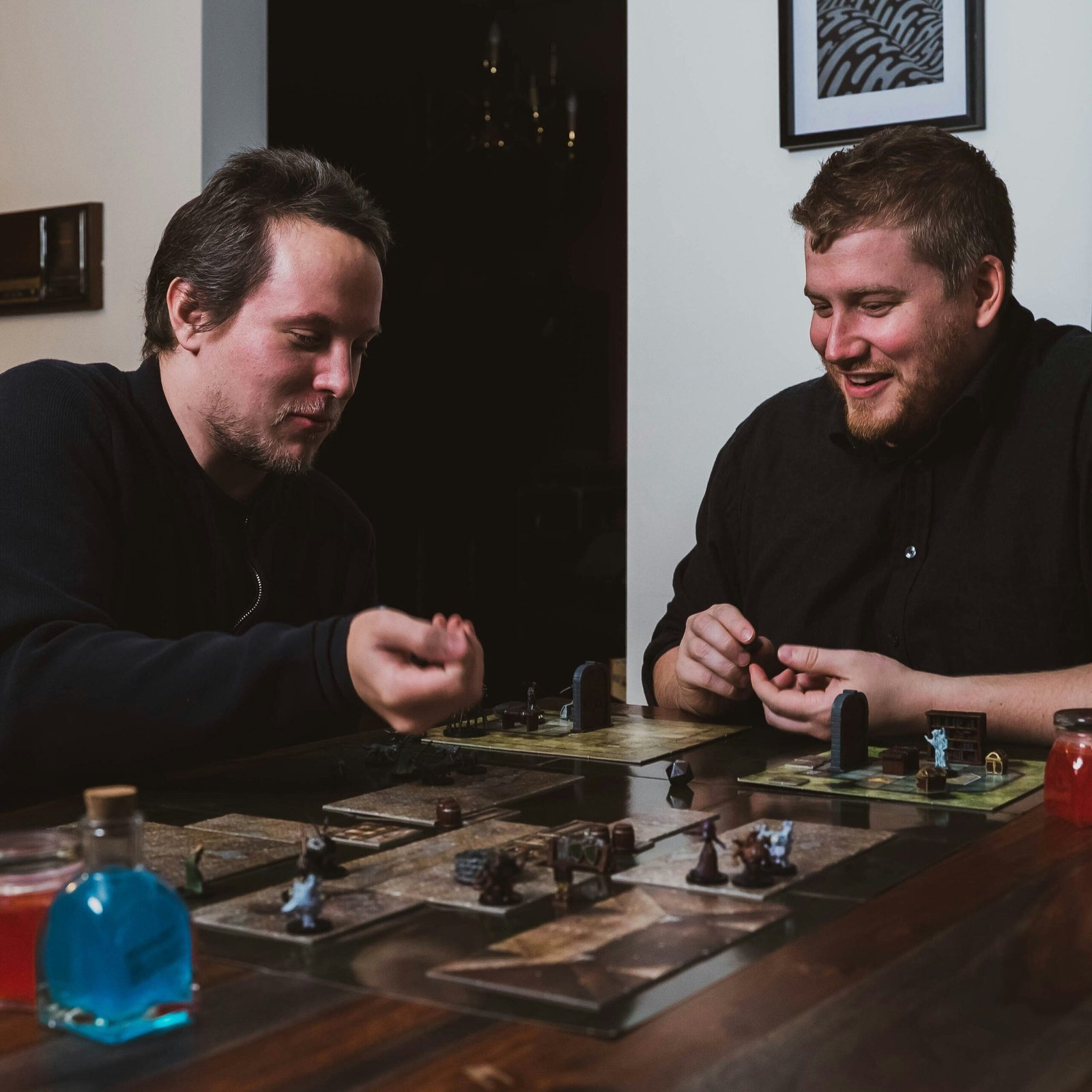
Player A
Player A. >Rolls< I got a 15 on my Perception check, what do I see?
Player B
I want to make a Perception check to scope out the room.
Player C
I sneak up to the door, hide againsT the jamb on the close side and peek around the corner to see if there’s anything inside.
Most players and DMs recognize that Player A is probably in the wrong; it’s standard table etiquette not to make a roll without being prompted. However, I think a lot of players would respond like Player B, referring directly to the roll and mechanics in announcing their actions. Yet, I think most players and DMs also recognize that Player C is adding more to the game by using imagery and narration instead of mechanics to describe what they do.
That’s what I mean by Immersive Actions, and here’s why they’re one of the best ways to improve your D&D games.
Hiding the Crime
When I built sets or costumes for theater, the last step was usually “hiding the crime” or ensuring that things like ropes, struts, seams or fasteners weren’t visible. Seeing these pieces breaks immersion and this last step helps everything feel more real.
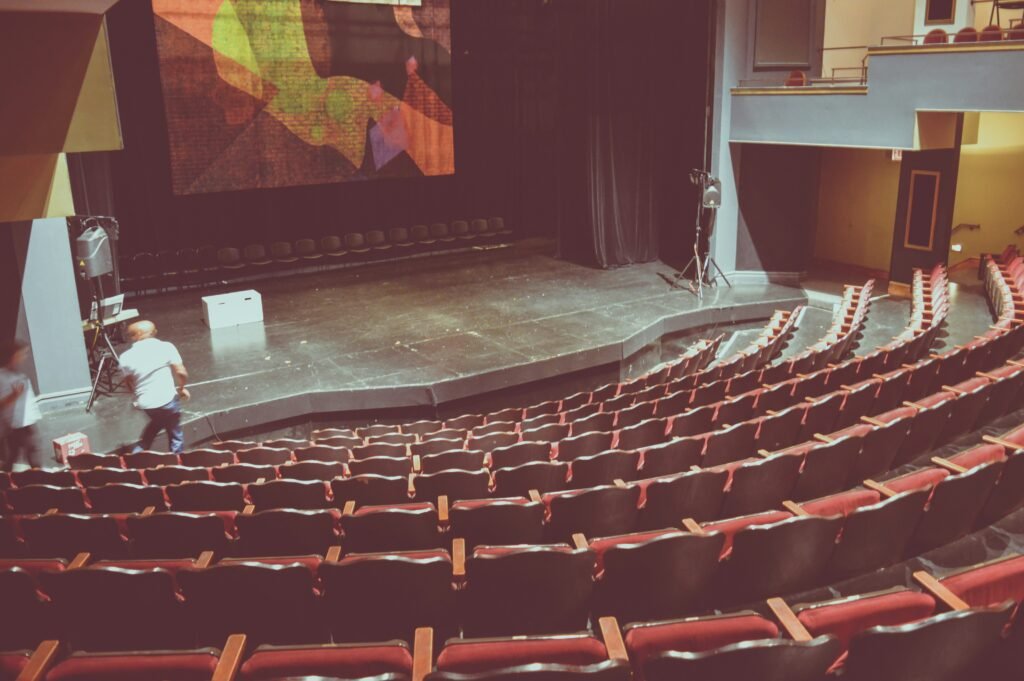
Immersive Actions do this for your game. In a TTRPG, the mechanics are just here to hold the story together, like the beams in a set. Immersive Actions cover the mechanics with a bit of narrative, keeping them out of sight and out of mind. There’s no fourth wall breaking reference to remind you of the “gameness” of your game.
Beyond this, hiding the crime with Immersive Actions helps to avoid a kind of metagaming. Instead of you as a player deciding actions based on the stats of your character, you narrate what you’re doing and the DM has flexibility to decide what ability fits. Your character might try something they’re bad at, but realistically, everyone does just that from time to time, and risk and failure are parts of a great story.
Add Some Flair
In addition to keeping the mechanics hidden, Immersive Actions let you add great flavor to your character. Player C above was sparse, and that’s fine, but there’s space for more. Consider these:
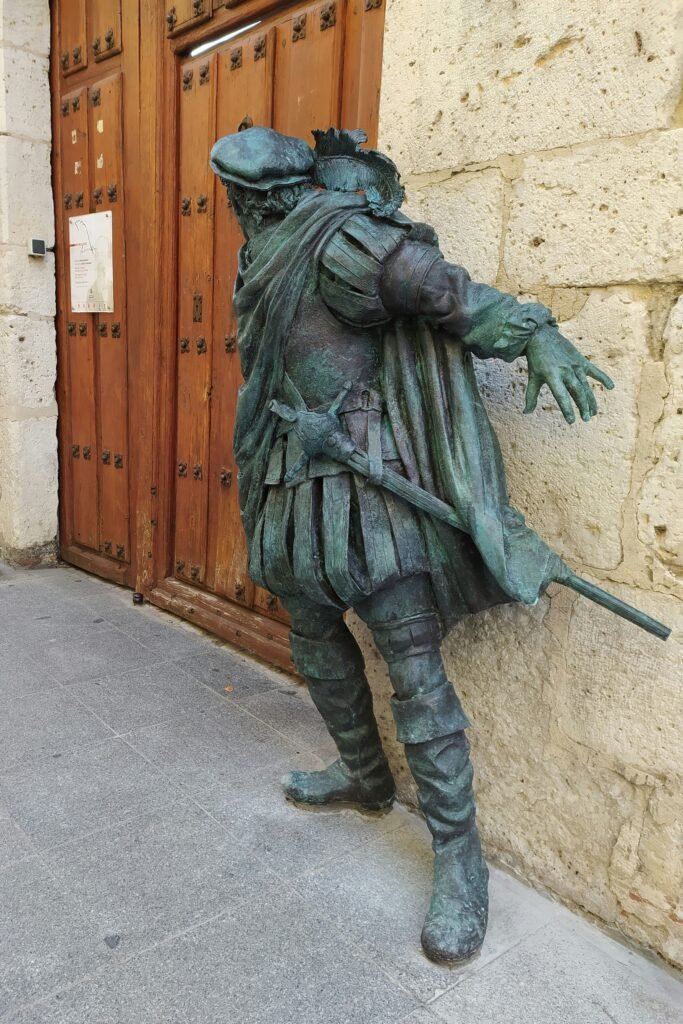
“I scoot by the door, put my back flat to the wall opposite and peer around the corner.”
Photo by Fernando Santander on Unsplash
“I step into the doorway, put a hand on either side and lean in to take a look inside.”
Photo by Vladislav Nahorny on Unsplash
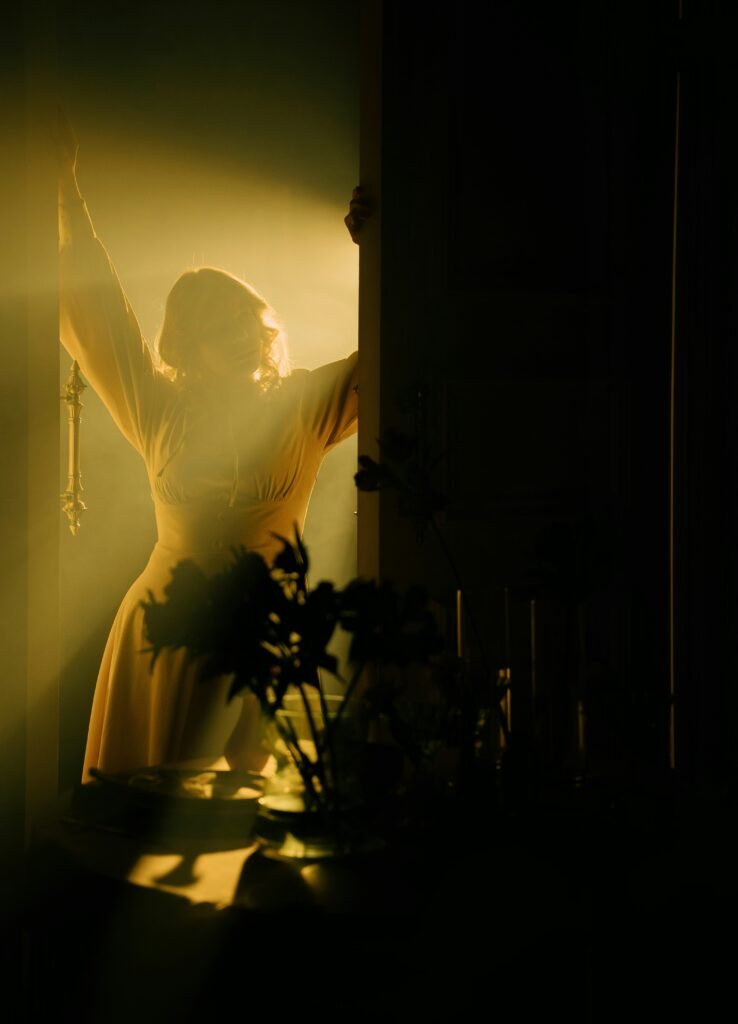

“I get into a deep crouch and creep along at floor height until I can see into the room.”
Photo by 1MilliKarat on Unsplash
Mechanically, these are more or less the same thing, but they paint radically different pictures of the characters taking the actions.
This is even more pronounced in combat. One of the major complaints with D&D is how combat for martial characters can feel very one-note. Each turn you say I attack, roll a couple of dice, get a hit or a miss, then pass. Instead, you can be engaged in a really epic swordfight laid over those humble attack rolls.
Helping the DM
Beyond the flair, Immersive Actions let the DM do their job better. In the case of our dungeon, perception might be the right skill to use, but maybe the room is an illusion or there are enemies waiting inside for an ambush. If you’ve already called out the skill to use, the DM has to backtrack what you said to set the scene. Immersive Actions give the DM space to call for any roll on the fly.
Immersive Actions also give the DM more to work with. You let them know not just what you’re doing, but how you’re doing it. That’s one bit of imagery they don’t need to think about, and a prompt to drive description forward.
Limitations
While I advocate for Immersive Actions in general, there are three key considerations to them: intention, spotlights, and overload.
While using Immersive Actions, remember to narrate your intentions, not the outcome. Consider an attack roll, “I walk in and cut the demon’s head off” isn’t an Immersive Action, most tables would see it as a breach of etiquette akin to rolling a check without being asked. You might miss, deal little or no damage or whatever else. It’s better to say “I swing my blade at the demon’s neck.” That’s the same idea, but it keeps the narrative open.
If you’re pressed for time, or if you want to keep the spotlight on other players, be aware that Immersive Actions require a bit more time, and they can also draw more attention to your character. Sometimes, either to keep up the pace of the game or to be a better ensemble member, you might want to dial back on this tool.

Lastly, if your DM is new, Immersive Actions can present them with information overload. It can be hard to parse what check to call for, and they’re already tracking a lot. Give them time and help them out by clearly stating what you’re trying to do, then offering more description after the check.
Ending My Turn
It’s common to describe TTRPGs as collaborative storytelling games, and I think that is a key aspect of what makes the hobby special. Ultimately, the narrative and storytelling elements are the key difference between D&D and Yahtzee.
If that is so, then Immersive Actions are a key way to buy in and lean in to exactly that kind of mindset. They transform a hundred mechanical declarations per session into a hundred micro-stories and turn your character from a set of numbers on a page into a living breathing hero every round. The mechanics are there, and they need to be there, but they aren’t why we’re playing.

My name is Joe Gaylord and, as Lazarus Game Lab, I make bestselling TTRPG content by nerds, for nerds. My adventures and supplements let you play games that are a little cleverer, a little more interesting, and a little different, the kinds of things you want to have for your table.
Check out my work on: https://lablazarus.carrd.co/




2 responses to “Never Mind the Dice, Use Immersive Actions”
I’ve noticed as being a DM for so long and finally being able to play in a game as a player, I’m doing this kind of thing instintually. I guess you pick up skills as a DM that translate how characters act.
I absolutely agree. It’s the kind of thing a DM almost has to do if the game is going to work. Now, I want to make a follow-up article about managing these kinds of actions as a DM, but we will see.